Decoding the Loan-to-Value Ratio: What You Need to Know
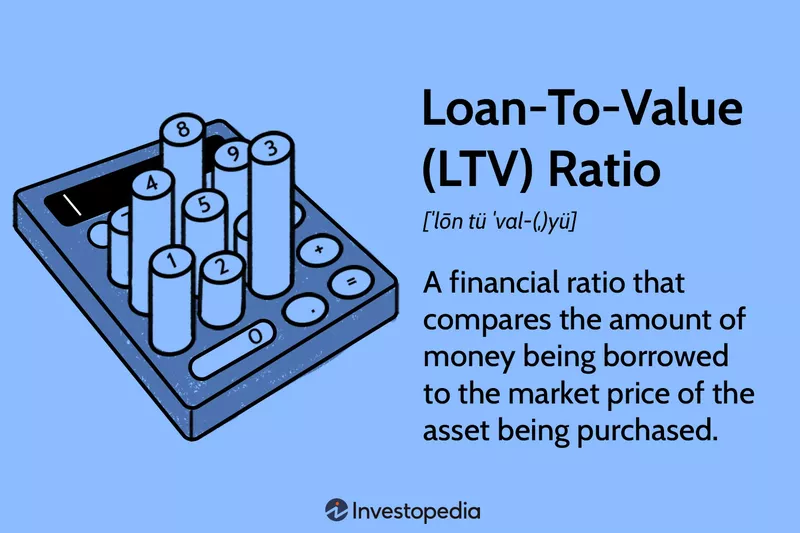
The Loan-to-Value (LTV) ratio stands as a vital metric in the world of mortgages, serving as a gauge of lending risk that lenders scrutinize before green-lighting home loans. Higher LTV ratios signal greater risk, often resulting in elevated interest rates for those obtaining loans. Moreover, borrowers leveraging a high LTV may find themselves required to secure private mortgage insurance (PMI) to mitigate the lender's risk.
How to Determine Your LTV Ratio
Determining your LTV ratio is straightforward. The formula is:
LTV Ratio = Mortgage Amount / Appraised Property Value
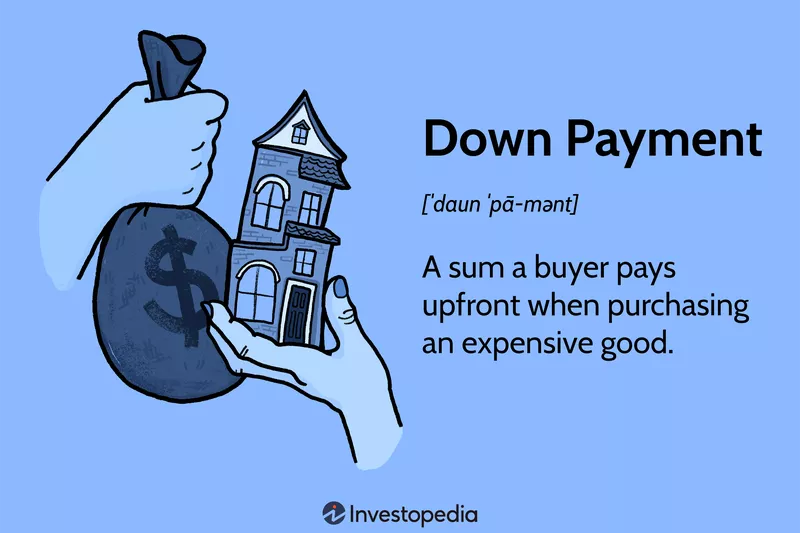
To illustrate, if a home's appraised value is $100,000 and you make a $10,000 down payment, effectively borrowing $90,000, your LTV ratio climbs to 90% (calculated as $90,000/$100,000).
The Significance Behind LTV Ratios
The calculation of an LTV ratio plays a pivotal role in the underwriting process of mortgages. Lenders apply this metric not just for new home purchases but also for refinancing existing loans or securing equity from a property. A high LTV ratio often raises alarms about potential defaults, as it indicates a thinner equity cushion for the borrower. This could pose challenges for lenders in recouping their investment in the event of a foreclosure.
Primarily, the LTV ratio is influenced by the size of the loan relative to the property’s value. A substantial down payment can drastically lower this ratio, presenting a more appealing risk profile to lenders.
The Role of LTV in Mortgage Applications
While the LTV ratio is an essential factor in securing mortgage approval, it also significantly impacts the interest rates available to borrowers. Typically, lenders extend more favorable rates to those with an LTV at or below 80%. Higher LTV ratios might not exclude borrowers, but they usually come with steeper interest rates. For instance, a borrower with an LTV of 95% may still get approved but will likely face a higher rate compared to someone with a lower LTV.
Should the LTV ratio exceed 80%, borrowers are often mandated to obtain PMI, adding another layer of cost—usually 0.5% to 1% annually—to the total loan amount. This insurance requirement remains until the LTV ratio dips below 80%, which can happen as the mortgage is paid down or the property appreciates.
Navigating Different Loan Types and Their LTV Requirements
Diverse loan programs come with varying LTV stipulations. FHA loans, aimed at low-to-moderate-income buyers, allow an LTV ratio of up to 96.5% but require a mortgage insurance premium for the life of the loan. Conversely, VA and USDA loans, benefiting military personnel and rural homebuyers, might allow LTV ratios as high as 100% without PMI, although they entail other fees.
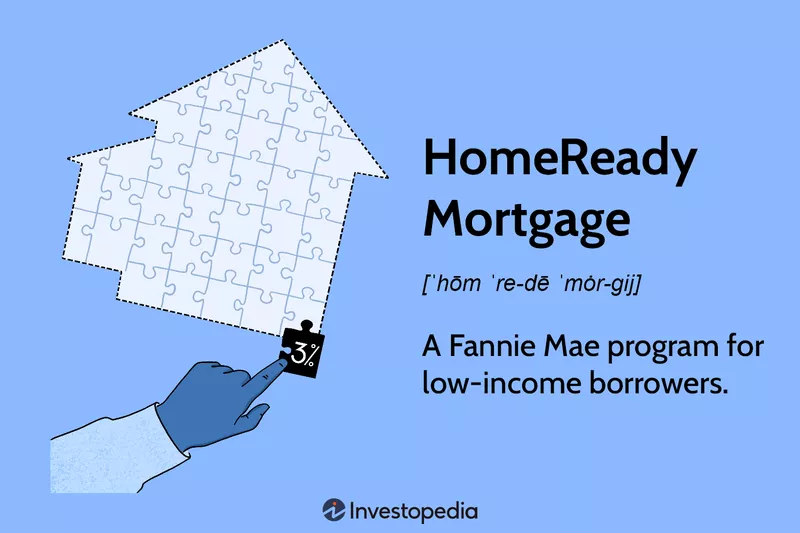
Specialized programs from Fannie Mae and Freddie Mac may also allow higher LTVs (up to 97%) for certain low-income borrowers, albeit requiring mortgage insurance until the LTV ratio is reduced to 80%.
Understanding Combined Loan-to-Value (CLTV)
The combined loan-to-value (CLTV) ratio offers a broader perspective by incorporating all loans secured against a property, such as second mortgages or home equity lines of credit. This metric provides lenders with insight into a borrower’s total debt in relation to the property’s value, helping them assess potential risks more accurately.
Identifying an Optimal LTV Ratio
For most lenders, maintaining an LTV ratio below 80% is key to securing favorable loan terms. Ratios exceeding this figure could lead to higher borrowing costs or even outright denial. A ratio of 70% indicates a robust financial position, suggesting the borrower has made a significant down payment.
Limitations of LTV Evaluations
It’s important to recognize that the LTV ratio focuses solely on the primary mortgage and does not account for additional obligations like second mortgages, which can skew a borrower’s financial depiction. Thus, the CLTV ratio offers a more comprehensive view of a borrower’s repayment capacity.
Conclusion: The Bigger Picture on LTV Ratios
The LTV ratio acts as a barometer for the relationship between a mortgage loan and the underlying property value. A ratio of 80% signals that a borrower is financing $80 for every $100 worth of property. Lower LTV ratios often correlate with improved mortgage terms, as more substantial down payments lessen perceived risks for lenders. However, those venturing beyond an 80% LTV typically face the additional burden of PMI, which can impact monthly payments significantly.