Unpacking the Conventional Mortgage: What You Need to Know
A conventional mortgage is essentially a loan for homebuyers sourced from private financial institutions. Unlike Federal Housing Administration (FHA) loans, which cater to a broader audience, conventional loans typically demand a higher credit score for eligibility.
The Nature of Conventional Loans
These loans are not backed or insured by the government; instead, they are made available through banks, credit unions, and mortgage companies. However, some conventional mortgages can receive guarantees from entities like the Federal National Mortgage Association (Fannie Mae) and the Federal Home Loan Mortgage Corporation (Freddie Mac).
Diving Deeper into Conventional Mortgages
Conventional mortgages can feature either fixed or adjustable interest rates. Since they're not supported by federal entities, banks often impose stricter criteria for approval. Conversely, programs such as FHA, VA, and USDA loans provide alternatives for buyers who meet certain qualifications, often requiring lower down payments and offering more flexible credit requirements.
Recent Changes in Fees
In May 2023, significant modifications occurred regarding upfront fees for home loans backed by Fannie Mae and Freddie Mac. Fees for borrowers with high credit scores increased, while those with lower credit scores saw reductions. Additionally, a higher down payment generally results in lower fees, although your credit score will still play a determining role.
Real-World Example of a Conventional Mortgage
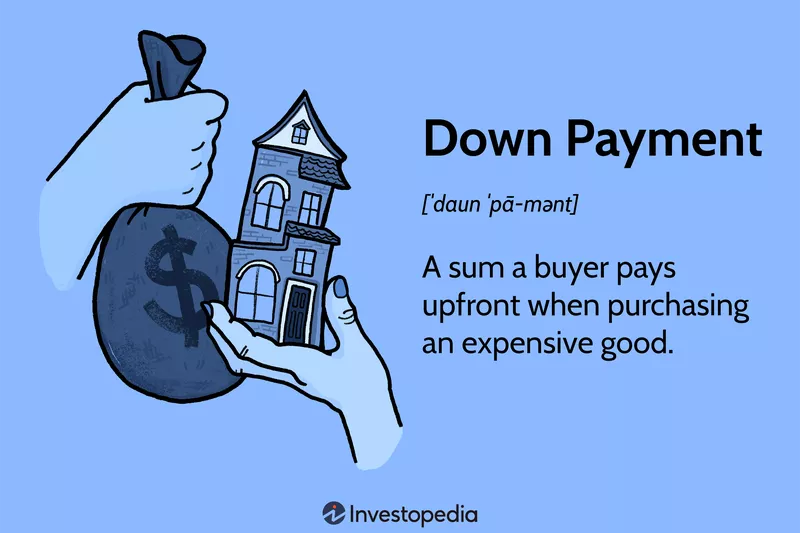
Imagine applying for a conventional mortgage to purchase a $500,000 home. If you make a $100,000 down payment (20%) and possess a credit score of 650, you might secure a mortgage with a fixed rate of 5.50%. This scenario translates to a monthly payment of approximately $2,271 over a 30-year term, covering principal and interest alone.
Conventional vs. FHA Mortgages: Key Differences
The central distinction between conventional and FHA loans lies in their target market. FHA loans aim to assist low- to moderate-income borrowers who might struggle with obtaining financing due to credit issues or insufficient savings. FHA loans come with lower down payment requirements and lenient credit criteria, making them more accessible. In contrast, conventional loans call for stronger credit profiles, usually with scores above 620.
Clarifying Conventional and Conforming Loans
It’s important to note that the terms "conventional" and "conforming" are not interchangeable. While all conforming loans are classified as conventional, they adhere to specific criteria set by Fannie Mae and Freddie Mac, including annual dollar limits established by the Federal Housing Finance Agency. If a loan exceeds this cap, such as a jumbo mortgage, it remains conventional but does not conform.
A Closer Look at Conventional Loan Types
There are various types of conventional mortgages that might confuse potential borrowers due to their differing names and terms. Understanding these variations can help you make informed decisions when choosing a mortgage.
Documentation Needed for Conventional Mortgages
In the wake of the 2007 subprime mortgage crisis, lenders have become more stringent in their qualification processes. Applicants will need to complete a formal mortgage application, which may involve an associated fee. You’ll also need to present a collection of documents that includes proof of income, bank statements, and investment account details to demonstrate your ability to meet down payment requirements and cover closing costs.
Understanding Conventional Mortgage Interest Rates
When it comes to interest rates, conventional loans often carry higher rates compared to government-backed options like FHA loans. The rates depend on several factors, including the loan’s size, term length, and whether the interest is fixed or adjustable. Economic conditions and the supply-demand dynamics in the mortgage market also affect these rates.
Who Should Consider Conventional Mortgages?
Conventional loans typically suit individuals with robust credit histories and stable financial backgrounds. Ideal candidates often possess good credit ratings, a solid income, and manageable debt levels. However, those with limited credit histories or higher debt loads may find these loans more challenging to secure. If denied, it’s important to understand the denial reasons as alternative financing options may be viable.
Comparing FHA and Conventional Loans
FHA loans are specifically crafted to facilitate homeownership for low- to moderate-income borrowers, while conventional loans often favor those with higher credit scores and substantial down payments. Therefore, choosing between the two depends largely on your personal financial situation.
Final Thoughts on Conventional Mortgages
A conventional mortgage is a private loan option for homebuyers that is not secured by governmental entities. While they provide a versatile and often affordable route for funding a home purchase, it's crucial to evaluate your personal financial circumstances and consult with lenders to find the most suitable option. The journey to homeownership is complex, but the right choice can lead to rewarding outcomes.