Unlocking the Door to Homeownership: How Much Can You Afford?
Venturing into homeownership can be an exciting yet daunting experience, especially when it comes to understanding your financial capacity. To navigate this journey successfully, it's essential to grasp what you can realistically afford. Typically, an affordable mortgage is thought to be around 200% to 250% of your annual income, but many variables influence this estimate. Let’s dive into the essential considerations to help you pinpoint your budget for buying a home.
Decoding Your Mortgage Affordability
As a rule of thumb, prospective buyers should consider homes with mortgages that range from two to three times their annual income. For instance, an individual earning $100,000 could contemplate a mortgage between $200,000 and $250,000. However, this is merely a starting point; additional factors come into play in deciding your ultimate budget. It's also valuable to understand how your lender assesses your affordability, as their criteria can significantly influence the amount they are willing to lend.
The Lender's Perspective: How They Assess Your Loan Eligibility
Lenders have unique frameworks for evaluating mortgage applications, with a primary focus on income, debts, assets, and financial obligations. They want a clear picture of your income streams and the existing demands on that income. Your gross income—which encompasses not just your salary but bonuses and other earnings—is pivotal in determining both your lending eligibility and the interest rates you'll receive. Generally, aiming for a front-end ratio (mortgage-to-income ratio) of no more than 28% of your gross income is advisable, although some lenders might permit a higher percentage.
Understanding Debt-to-Income Ratio
Your debt-to-income (DTI) ratio plays a crucial role in the lending process, measuring what fraction of your income is consumed by existing debts, such as credit cards and loans. Ideally, you want to keep your DTI ratio under 43%. To calculate your monthly debt cap based on this ratio, simply multiply your gross income by 0.43 and divide by 12. A lower DTI indicates a lower risk for lenders, potentially leading to better mortgage options.
The Essential Down Payment Explained
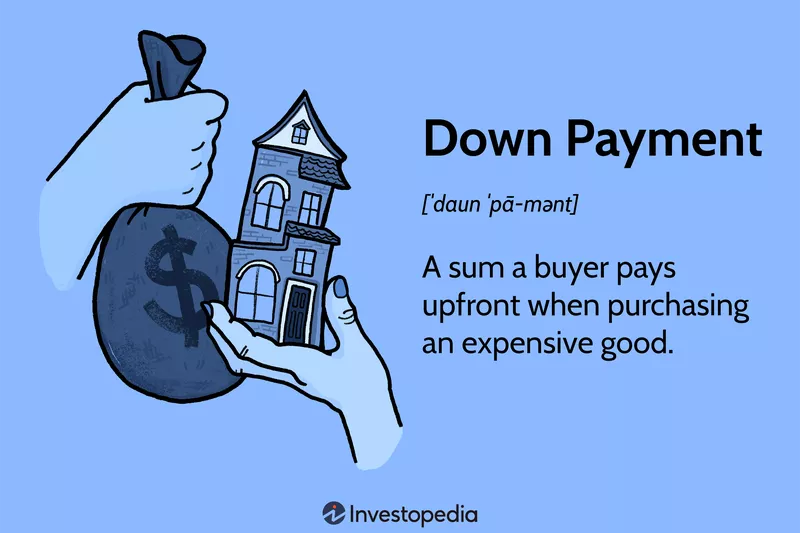
The down payment, or upfront cash contribution towards your home's purchase price, is another essential element to consider. While traditional guidelines suggest a 20% down payment, many lenders offer paths to homeownership with lower amounts. The more substantial your down payment, the better your financial profile appears to lenders, which may translate into lower rates and better terms.
Your Personal Financial Landscape
Even if a lender suggests you can afford a lavish estate, personal reflection is critical. Consider your net income after taxes and other deductions, and ensure you’re not living beyond your means. Experts often recommend limiting your mortgage payment to 25% of your net income to avoid becoming "house poor"—a state where too much of your finances are tied up in home expenses. Before committing to a mortgage, factor in the associated costs of homeownership to avoid financial strain later on.
Preparing for Homeownership: Future Considerations
Beyond lender calculations, contemplate your long-term financial outlook. Is your income steady? Do you foresee any major life changes that could affect your financial situation? Assessing your lifestyle, including potential changes in spending habits or future expenses related to family or retirement, will also guide your decision-making.
Hidden Costs of Homeownership
Owning a home comes with additional responsibilities that go beyond just your mortgage payments. Property taxes, homeowners insurance, and maintenance costs can add up quickly. Being financially prepared for these persistent expenses is vital for sustaining homeownership without financial strain.
Smart Strategies for Budgeting
To ensure you're making a sound investment, save extra funds beyond your down payment as a safety net for unforeseen circumstances. Investigate different mortgage options tailored to your needs, and don’t hesitate to seek out alternatives like VA or USDA loans that may offer better terms. Lastly, prioritize what you genuinely need in a home—sometimes compromising on space or location can lead to affordable choices and long-term satisfaction.
Wrapping Up: The Path Forward
Purchasing a home is likely the most significant financial commitment you’ll ever undertake, so it's crucial to calculate your budget thoroughly. Reflect on your current lifestyle and future plans before jumping into this exciting venture. By taking these steps, seeking advice, and analyzing various lender offers, you can confidently make choices that align with both your financial goals and aspirations.
A Note on Fair Lending Practices
Be aware that discrimination in mortgage lending is illegal. If you believe you’ve faced unfair treatment due to race, gender, or other factors, avenues for filing complaints are available through organizations like the Consumer Financial Protection Bureau (CFPB) and the U.S. Department of Housing and Urban Development (HUD).