Understanding Subprime Loans: Unlocking Opportunities for Borrowers
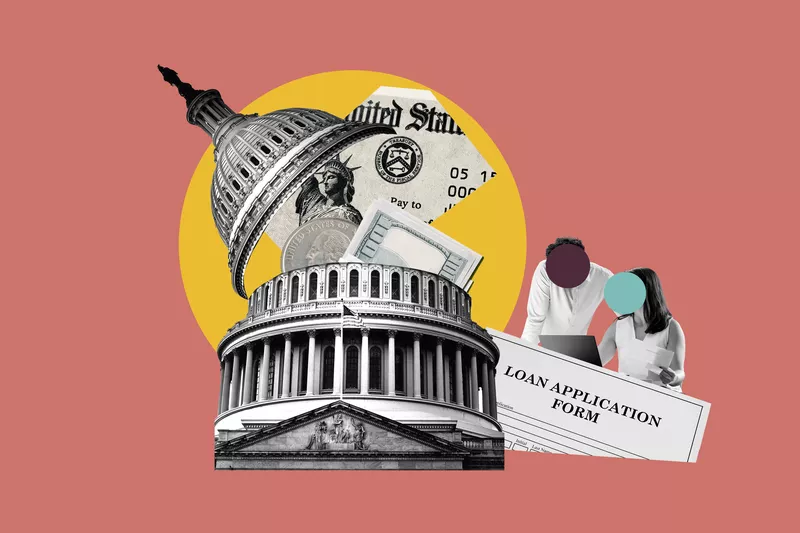
A subprime loan is designed for individuals who don’t meet the requirements for traditional prime loans, often attracting those with lower credit ratings or specific financial challenges. While these loans carry higher interest rates, they provide crucial access to funds for many who might otherwise be deemed unqualified by standard financial institutions.
The Mechanics of Subprime Lending
The financial landscape operates on prime rates, which are set when banks lend to one another, influenced by the federal funds rate determined by the Federal Open Market Committee of the Federal Reserve. This benchmark rate has seen significant fluctuations throughout history, from as low as 2% in the 1940s to peaks of over 21% in the 1980s. Recently, efforts to tackle inflation have resulted in adjustments to the prime rate, guiding banks in their interest rate offerings.
How Interest Rates are Determined
While corporations typically snag loans close to the prime rate, retail consumers with better credit histories receive slightly higher rates. Conversely, those classified as subprime are often presented with significantly elevated rates, aimed at managing the risk of lending to those perceived as more likely to default. Importantly, the terms of subprime loans can vary substantially among lenders, allowing borrowers the chance to compare options and potentially secure better rates.
Targeting Subprime Borrowers: Risks and Rewards
Those entering the subprime market often do so unintentionally, perhaps through an enticing advertisement that offers terms less favorable than what they actually qualify for. Given that these loans come with high interest, they can lead to substantial additional costs over the loan's lifespan, particularly affecting low-income borrowers who might struggle to make repayments – a situation reminiscent of the significant defaults seen during the financial crisis of 2007-2008.
Characteristics of Subprime Loans
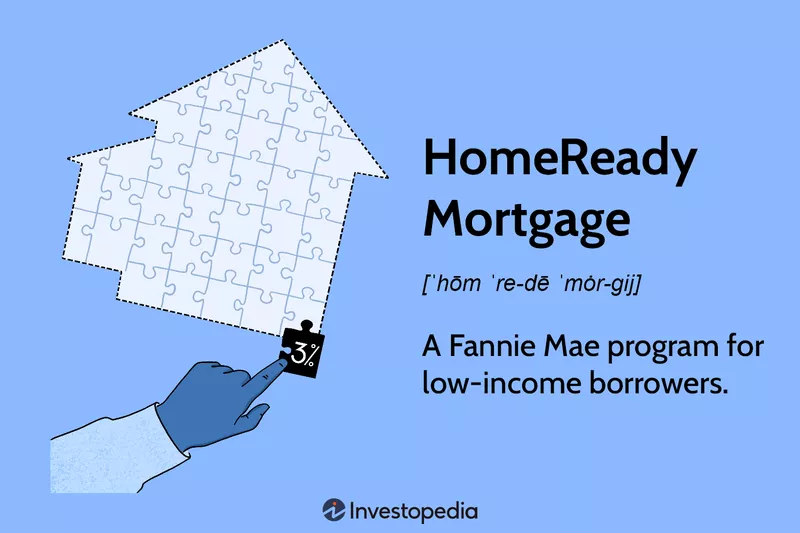
Subprime mortgages can be seen as a double-edged sword. Although they enable individuals who may not otherwise secure financing to purchase homes or invest in their futures, the associated risks can lead to significant financial strain. Moreover, these loans are often criticized for their potential predatory nature, with some lenders exploiting vulnerable borrowers by offering exorbitant interest rates or unfavorable loan terms.
Advantages of Subprime Loans
Despite the criticisms, subprime loans present opportunities for many. Borrowers who have faced rejection from conventional lenders can still seize the chance to own a home. Consistency in timely payments can even lead to improved credit scores, paving the way for refinancing into more favorable prime loan rates down the line.
The Current Landscape of Subprime Lending
While subprime loans are not as prevalent now as they were in the early 2000s, they remain accessible albeit with stricter regulations aimed at protecting borrowers. Today, there are still avenues for individuals to explore subprime options, especially when traditional financing is not an option.
Conclusion: Navigating the Subprime Loan Terrain
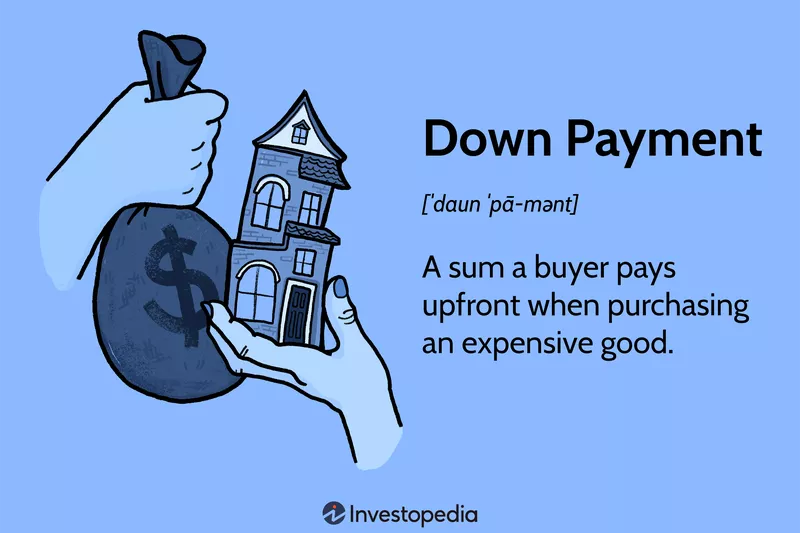
Subprime loans provide a potential lifeboat for many aspiring homeowners or borrowers lacking traditional financial support. Although they come with caveats such as higher interest rates and upfront fees, those who navigate this segment wisely can see their financial situations flourish if they adhere to repayment schedules. As the lending environment evolves, being informed is key for prospective borrowers looking at subprime options.