Understanding the Concept of a Down Payment
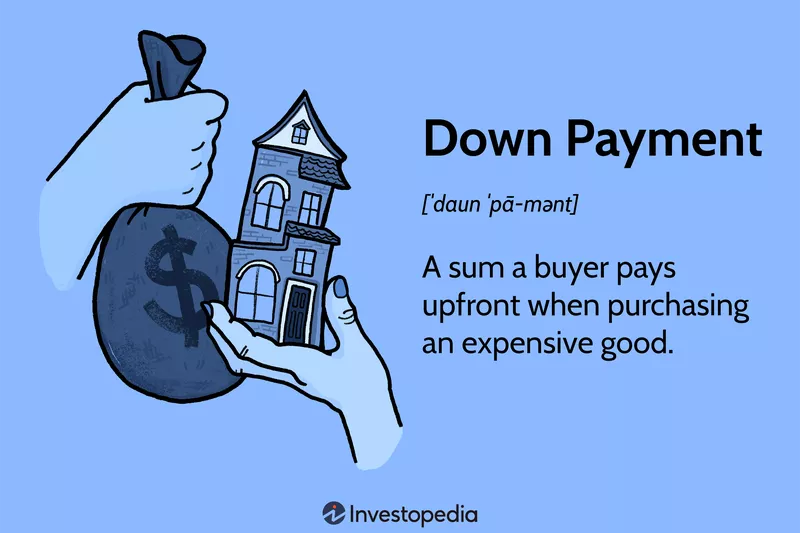
A down payment is the initial cash amount that a purchaser provides when acquiring significant assets like homes or vehicles. This payment typically constitutes a portion of the entire purchase cost. The remaining balance is often financed through a loan. A sizable down payment can drastically decrease the total debt to the lender, minimize interest payments throughout the loan's duration, and lower the monthly repayment amounts.
How Down Payments Function
In the marketplace, down payments are routinely encountered in situations involving property or vehicle acquisitions. For instance, first-time home buyers in the U.S. typically contribute around 6% of the property's price as their down payment, subsequently securing a mortgage to cover the remaining balance.
When it comes to cars, buyers generally set aside at least 20% of a vehicle's purchase price as a down payment. This is essential due to the rapid depreciation of automobile values, ensuring that the buyer does not owe more than the actual worth of the car after a year or two. As with home loans, car loans incur interest, and a higher down payment can alleviate the total interest paid over the loan period.
Exploring Different Down Payment Types
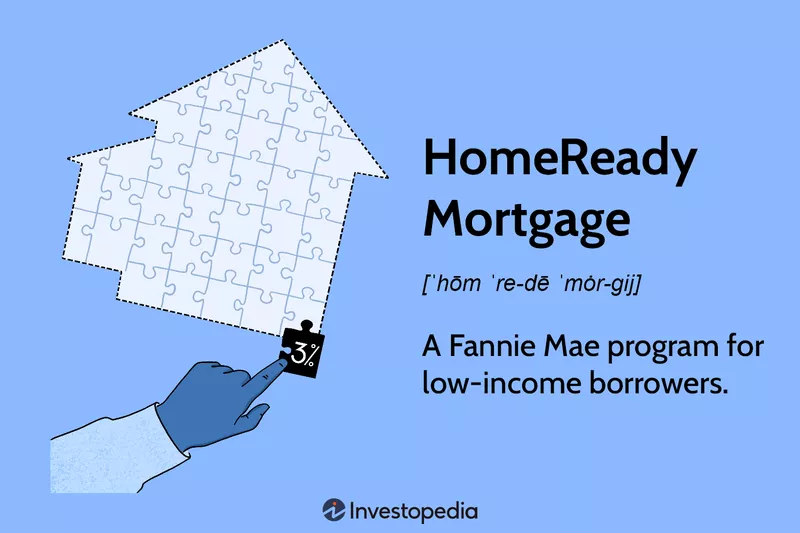
Traditionally in the U.S., a 20% down payment has been the gold standard for home purchases. Factors like credit ratings, income levels, and debt-to-income ratios heavily influence a borrower’s mortgage conditions, thus making a larger down payment advantageous. In 2023, the minimum down payment for conventional home financing is set at 3%, according to guidelines from Fannie Mae and Freddie Mac. For FHA loans aimed at aiding low to moderate-income families in achieving homeownership, the minimum is slightly higher at 3.5%, often accompanied by income limits.
As of May 2023, changes in upfront fees for Fannie Mae and Freddie Mac loans have resulted in increased fees for buyers with superior credit scores (740 or above) while decreasing for those with poorer scores (640 or below). Additionally, the amount of down payment directly impacts fee amounts: larger down payments lead to lower fees, although credit scores still play a crucial role.
Car Purchases and Down Payment Insights
For automobiles, a down payment of 20% or more can enhance a buyer's chances of loan approval, along with securing better interest rates and favorable terms. Dealerships sometimes present promotional offers that may eliminate the need for a down payment for qualifying customers; however, this can lead to increased interest rates.
The Perks of a Significant Down Payment
Making a larger down payment can substantially reduce the total interest owed over the life of the loan, making monthly payments more manageable. Homeowners facing challenges in making a large down payment may opt to make extra payments on their mortgage principal each month, which can aid in decreasing both the loan amount and interest over time. This strategy, often called accelerated payment or accelerated amortization, can also motivate buyers to refinance their mortgage if their financial situation improves, allowing for a larger down payment on a new loan.
Are Down Payments the Same as Deposits?
In most circumstances, down payments and deposits are synonymous. They both refer to the initial payment made as a percentage of the total asset price in a transaction.
The Importance of Having a Down Payment
Down payments play a critical role in reducing the overall loan amount and associated interest costs, in addition to resulting in lower monthly payments. The down payment amount can even influence the interest rate offered by the lender.
Why Do Lenders Mandate Down Payments?
Lenders require down payments as a means to mitigate their risks. By reducing the total funds they need to disburse, down payments serve as a "cost of entry" in securing a loan. Additionally, it indicates to lenders that borrowers are committed and serious about their financial responsibilities.
In Conclusion
A down payment is a critical initial investment made by a buyer when purchasing significant assets like homes or cars, representing a fraction of the total cost. A larger down payment means less borrowing, lower monthly payments, and decreased interest expenses in the long run.