Understanding the Basics of Principal and Interest
When you take out a loan, you encounter two crucial terms: principal and interest. The principal is the initial sum you borrow, while interest represents the fee you pay the lender for the privilege of borrowing that money. To find out how much interest you'll owe, simply multiply your principal amount by the interest rate and the duration of the loan in years. This knowledge can help you gauge the costs associated with a simple interest loan.
The Complexity of Loan Calculations
However, not all loans are created equal. For instance, amortized loans, such as mortgages, and loans with compound interest, like credit cards, can complicate the calculation. With simple interest, your payment costs remain steady throughout the loan's life. In contrast, with amortized loans, your early payments predominantly cover interest, while gradually shifting toward reducing the principal over time.
Breaking Down Principal and Interest Payments
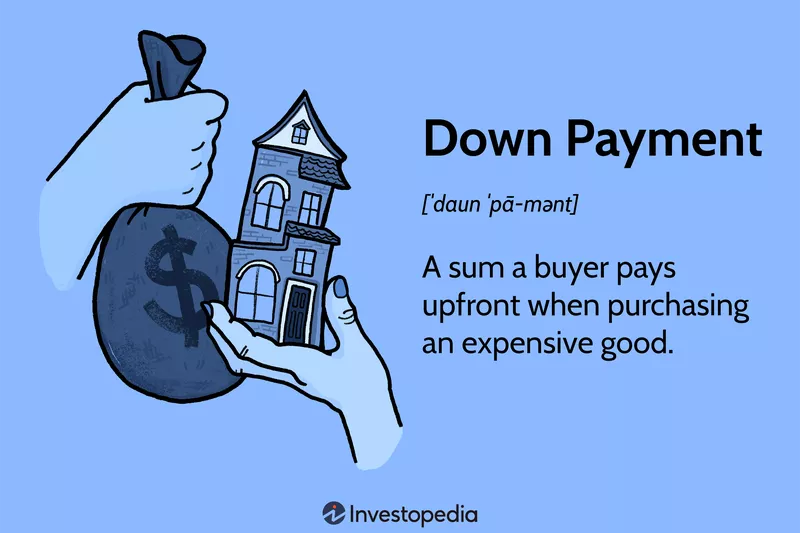
Every time you repay a loan, your payment is split between interest and principal. Understanding how financial institutions determine these components is essential for managing your repayment strategy effectively. Take for example a mortgage: if you purchase a property worth $355,000 and put down $55,000 as a down payment, you will need to borrow $300,000, which is your principal. Over the term of your loan, you'll repay this amount, plus the interest charged by the lender.
The Formula for Simple Interest Loans
Simple interest can be calculated using the formula SI = P * R * T, where SI denotes simple interest, P is the principal, R is the rate, and T is time in years. For example, if your mortgage balance is $300,000 with a 4% interest rate, your monthly interest alone would be $1,000 ($300,000 x 0.04/12). The remaining balance of your payment goes toward the principal.
The Role of Amortization in Loan Repayment
With a fixed-rate loan, your monthly payments don't fluctuate throughout the term. Initially, a significant portion of your payment is allocated to interest, but over time, you will begin to chip away more at the principal. This process, known as amortization, allows for consistent payment amounts, making financial planning simpler. As you progress, the ratio of interest to principal shifts, with less going toward the lender and more reducing your debt.
Exploring Adjustable-Rate Mortgages
Adjustable-rate mortgages (ARMs) present a different scenario. Initially, they start with a set interest rate for a specific period, such as one to seven years. After this time, the rate adjusts based on current market conditions, leading to possible increases or decreases in your monthly payments. While the initial interest rate may be appealingly low, be mindful of the fluctuations that can follow.
Interest Rates vs. APR: What You Should Know
When seeking loans, you'll often encounter two distinct terms: interest rate and annual percentage rate (APR). These terms, while related, are not the same. The interest rate reflects the cost of borrowing, excluding additional fees, while APR encompasses the overall expense of the loan, including various charges such as origination fees and mortgage insurance. Generally, the APR will be higher than the interest rate, offering a more comprehensive look at the true cost of borrowing.
The Bottom Line: Your Loan’s True Cost
Knowing the breakdown of your mortgage, auto loan, or personal loan payments can unveil the total cost of your borrowing over time. Whether you choose to do the calculations yourself or utilize an online loan calculator, understanding your financial commitments can lead to more informed decisions, ensuring you're well-prepared for your repayment journey.