Discovering the Government National Mortgage Association: Ginnie Mae
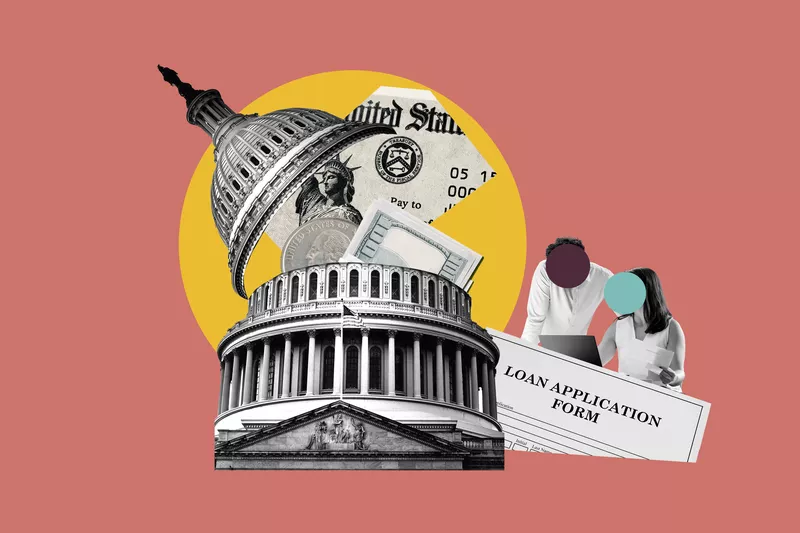
The Government National Mortgage Association, commonly known as Ginnie Mae, serves as a crucial link between the U.S. housing sector and capital markets. This federal corporation plays a pivotal role in ensuring that investors receive their timely payments of principal and interest on mortgage-backed securities (MBS) issued by approved lenders. By facilitating low-cost financing for federal housing programs—including those associated with the Federal Housing Administration (FHA), Veterans Affairs (VA), and the Department of Agriculture—Ginnie Mae is a vital player in promoting affordable housing options nationwide.
A Deep Dive into Ginnie Mae's Role
Founded in 1968 within the U.S. Department of Housing and Urban Development (HUD), Ginnie Mae was created to champion the cause of affordable homeownership. While Ginnie Mae does not provide mortgages directly, it guarantees them, ensuring that borrowers can access single and multifamily homes at lower interest rates due to the government’s backing. Consequently, this reduces borrowing costs considerably, making it easier for homeowners to finance their dream homes.
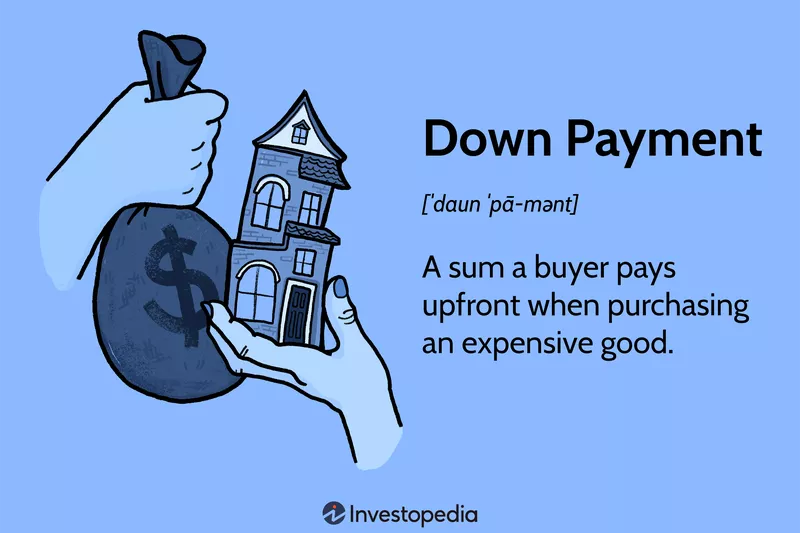
Understanding your potential monthly mortgage payment is essential. This can be influenced by various factors, including home price, down payment amount, loan duration, property taxes, homeowners insurance, and the interest rate tied to your credit score. For prospective buyers, utilizing a mortgage calculator can offer valuable insight into what their monthly costs may look like.
Operating largely behind the scenes in the mortgage market, Ginnie Mae doesn't engage in the issuance, sale, or purchase of pass-through MBS or loans. Instead, it empowers approved private lenders who originate suitable loans. These loans are then pooled into securities, which Ginnie Mae guarantees. As of the fiscal year 2024, Ginnie Mae’s portfolio of MBS hit an impressive $2.6 trillion.
Guaranteeing Access to Home Financing
Ginnie Mae’s guarantee helps open the doors to the mortgage market for first-time buyers, low-income families, and other underserved communities. By securing the timely payment of principal and interest from qualified issuers like mortgage bankers and commercial banks, Ginnie Mae reassures investors that they will receive their returns, irrespective of the actual mortgage performance.
This means that when homeowners face challenges making their payments, Ginnie Mae steps in to cover any shortfalls, thereby preserving investor confidence. Most of the mortgages securitized by Ginnie Mae come from loans insured by the FHA, which primarily assists first-time and lower-income homebuyers.
The Evolution of Ginnie Mae
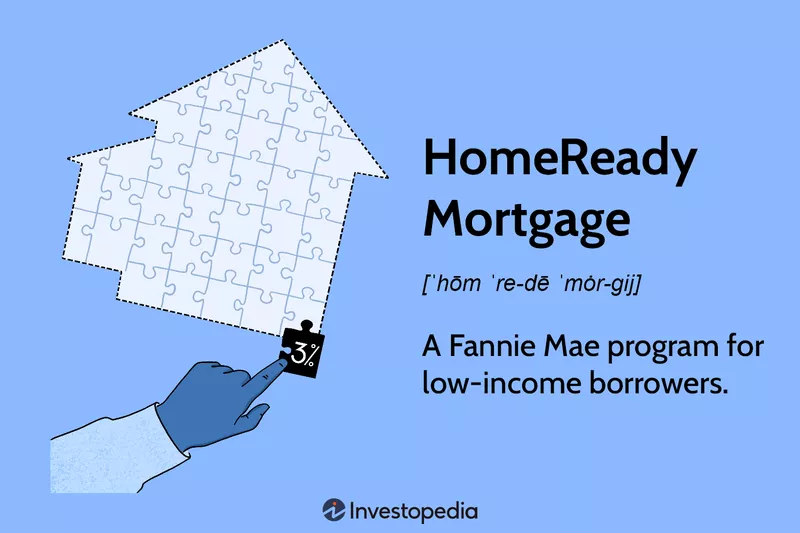
The origins of Ginnie Mae trace back to the Great Depression era when ballooning unemployment led to a surge in loan defaults. In an effort to rejuvenate the housing market, Congress enacted the National Housing Act of 1934. Fast forward to 1968, Ginnie Mae was formed after the Federal National Mortgage Association (more popularly known as Fannie Mae) restructured into two distinct entities, one focusing on conventional loans and the other on government-backed mortgages.
As the only home-loan agency backed explicitly by the robust faith and credit of the U.S. government, Ginnie Mae stands out in the housing finance landscape.
Comparing Ginnie Mae to Fannie Mae and Freddie Mac
Ginnie Mae shares similarities with other organizations such as Freddie Mac and Fannie Mae. While both Freddie Mac and Fannie Mae are government-sponsored enterprises (GSEs) owned by private shareholders, Ginnie Mae distinguishes itself by guaranteeing only those securities backed by federal agencies like the FHA and VA. Fannie Mae, on the other hand, invests in its own mortgage-backed securities as well as those issued by other institutions.
Interestingly, Ginnie Mae reigns as the only entity enjoying full federal government backing for its securities, marking a fundamental distinction in the realm of mortgage finance. While the 2008 housing crisis brought Fannie Mae and Freddie Mac into conservatorship under the government, some experts argue that this diminished Ginnie Mae's unique position as the sole agency providing such federal guarantees.
The Role of Ginnie Mae in Mortgage Financing
It’s essential to emphasize that Ginnie Mae itself is not a lender and does not originate loans. It does not offer insurance against credit risks to lenders, nor does it dictate any standards for loan issuers. Its primary function is to enhance the overall affordability of mortgages by assuring lenders that they can secure better prices for their loans in the secondary market, thus enabling them to fund new mortgages more efficiently.
Why Ginnie Mae Securities Are Viewed as a Safe Bet
Investors often regard Ginnie Mae securities as safe investments because the organization doesn’t engage in buying or selling loans or issuing mortgage-backed securities. Instead, it maintains a balanced approach that avoids the use of derivatives or long-term debt in its financial strategies.
Wrapping Up Thoughts on Ginnie Mae
In summary, the Government National Mortgage Association (Ginnie Mae) plays a critical role in ensuring timely principal and interest payments on mortgage-backed securities issued by approved lenders. With the robust backing of the U.S. government, Ginnie Mae supports affordable housing initiatives while standing apart from other entities like Fannie Mae and Freddie Mac. Established in 1968, it remains a key player in the pursuit of homeownership for millions of Americans today.