Unlocking the Power of Margin Accounts: A Guide for Investors
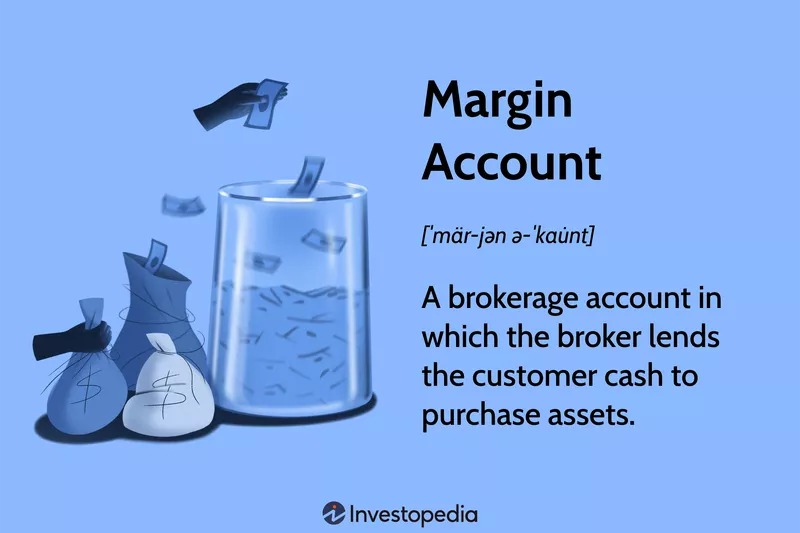
A margin account serves as a strategic tool in the world of investing, granting users the ability to borrow funds from their brokerage. This can be utilized for purchasing securities or leveraging investments, ultimately enhancing their market engagement. In contrast to typical cash accounts, margin accounts provide greater purchasing power, enabling traders to amplify potential gains—and losses.
Getting Started with a Margin Account
To kick off an investment journey with a margin account in the United States, a minimum deposit of $2,000 is required, or $25,000 for those classified as "pattern day traders." Prospective investors must also sign a margin agreement and meet the brokerage’s criteria regarding creditworthiness and investment acumen. This initial setup is crucial for accessing the benefits of margin trading.
Understanding Margin Mechanics
When investors employ a margin account, they tap into the power of leverage, enabling them to pursue larger investment opportunities than their available cash would allow. Under the regulations set forth by the Federal Reserve, these investors can borrow up to 50% of the purchase price for qualifying stocks. However, this financial leverage can intensify both profits and losses relative to the investor's actual capital.
Illustrating Margin Potential
Consider this example: If a trader deposits $10,000 in their margin account, they gain the ability to purchase stocks worth $20,000. Should the value of this investment rise by 10%, the total profit would be $2,000, translating to a remarkable 20% gain based on the trader's original funds. Conversely, if the stock value plummets by the same percentage, the losses could similarly impact the trader's cash position, erasing 20% of their investment.
Borrowing Costs and Interest Rates
Investors should also be cognizant that borrowing on margin incurs interest charges. The rates are variable, depending on the amount borrowed—larger loans often benefit from lower rates. Brokerages typically determine these rates by adding a margin over their base rate, leading to annual interest rates that can range from 5% to over 12%. It's important to note that this interest is calculated daily, but payment is generally processed monthly, which can affect overall investment returns over time.
What Happens When Margin Requirements Aren't Met?
Each brokerage has established margin requirements, which dictate the minimum funds that must be maintained in the account relative to the value of leveraged investments. If the account's value dips below this required level, investors face a margin call, necessitating an increase in account equity. It’s essential to recognize that trading on margin not only enhances potential rewards but also amplifies risks, including the possibility of forced liquidations if investments fall dramatically.
Real-World Margin Account Scenarios
Imagine an investor begins with a margin account holding $30,000 and decides to buy shares of XYZ Corporation at $100 each. If the stock’s price rises to $120, the profit is substantial, whereas a drop to $80 can lead to significant losses. Importantly, these scenarios do not consider additional factors such as taxes or loan interest, which further complicate the outcome.
The Final Takeaway
Margin accounts offer a unique brokerage opportunity for investors to leverage their capital and engage in short selling, all while meeting certain initial deposits and maintaining specific equity levels. While this leverage can lead to pronounced gains, it equally poses risks, necessitating a clear understanding of how equity, borrowed funds, and total investment value interconnect. Investors armed with this knowledge can better navigate market fluctuations and maximize their margin account potential.