A Shift in the Lending Landscape: Opportunities and Challenges
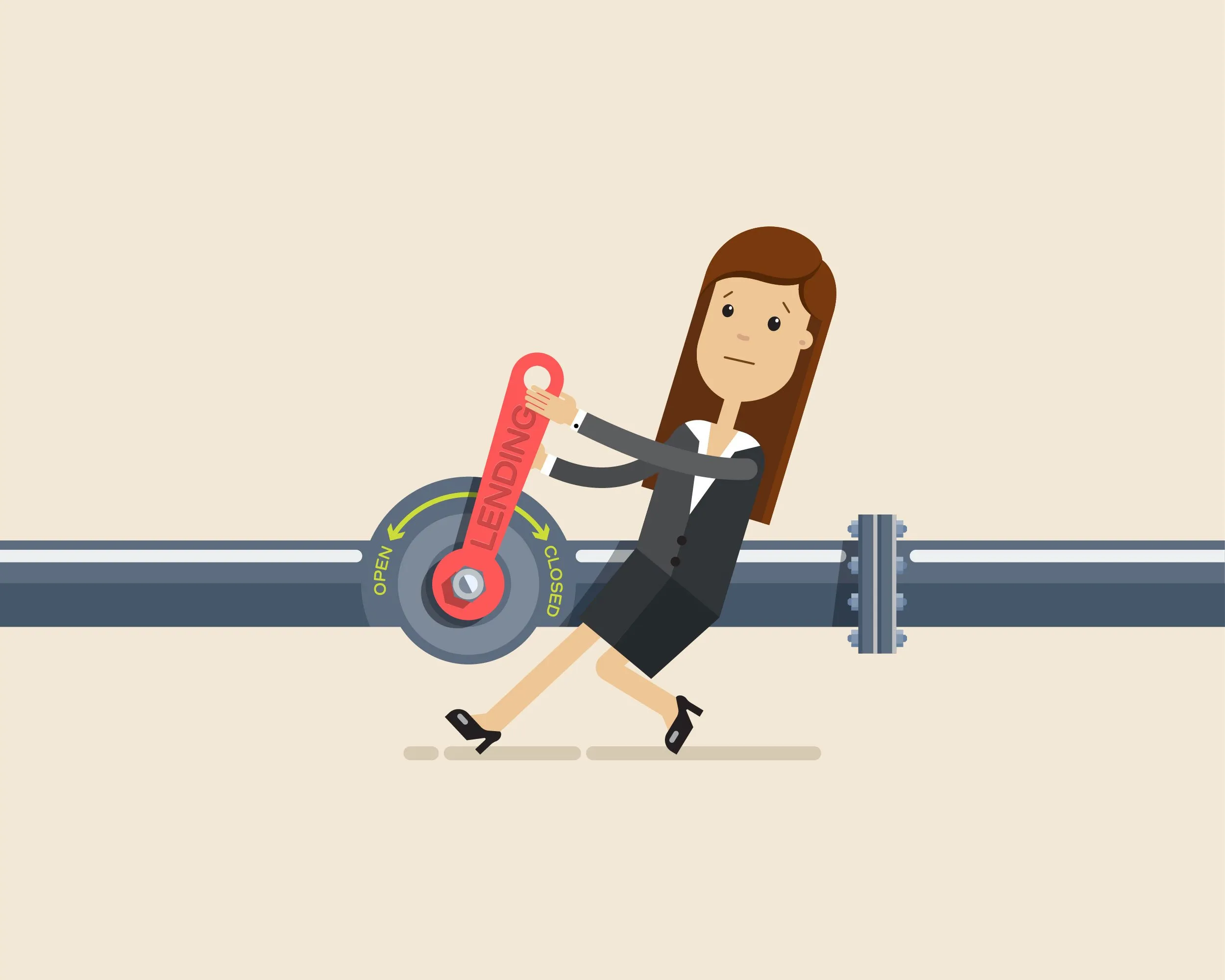
In the wake of new government regulations aimed at safeguarding borrowers, the banking and lending sector has taken a fresh look at loan applications. While at first glance, these changes seem quite advantageous for borrowers, it seems some banks may be seizing this moment to recalibrate expectations. There's an engaging piece by Sorted titled "What's New in Lending," which highlights this new paradigm shift. Post these adjustments, numerous New Zealanders have shared their experiences through various media outlets about trying to secure funds from their banks—often in vain. Many who have been reliable clients for years found themselves suddenly rejected when they sought additional mortgage funds, leaving them perplexed and miffed. They faced invasive inquiries about their financial habits, and in some cases, were even advised to go and learn better budgeting skills. Talk about adding insult to injury!
The First Home Buyers' Dilemma
It is often said that first-time homebuyers are the hardest-hit by these lending changes. However, I've met many first-home seekers who are exemplary candidates for loans; their determination and focus on owning a home are unwavering. They've diligently saved money, cut back on luxuries, and are truly prepared for homeownership. The steep rise in property prices, rather than poor financial habits, stands as their greatest hurdle.
Redefining Financial Habits and Perspectives
The stories shared in the media are just snapshots, lacking full context, making it tough to draw fair conclusions about individuals' financial situations. This led me to ponder, "Who else is feeling the effects of this lending reassessment?" Take, for example, a young 19-year-old who doesn’t typically exert himself in his seasonal job. With a few “buy now, pay later” debts already on his radar, he sought a $10,000 loan to purchase a car. New lending rules prevented both his primary bank and a secondary lender from approving the loan, ultimately saving him from a potential financial disaster.
Breaking the Cycle of Debt Dependency
Reflecting on the past, I recall a man whose business revolved around renting out white goods to individuals unable to afford payments, later resorting to debt collection when they defaulted. He had a brazen sense of ownership over this cycle, but I found his practices utterly deplorable. If recent legislative changes curb such exploitation, then they are indeed a positive development.
Patterns Emerging in Financial Behavior
Various reports indicate common behaviors among borrowers, such as relying on credit or store cards for emergencies, misjudging "buy now, pay later" schemes as sound financial planning, and treating mortgages as endless financial resources, often for urgent repairs, cosmetic upgrades, or recreational expenses. Many borrowers seem to consider themselves good clients, believing that loan approval is a given. In this environment, lenders hold significant power to deny requests, asserting their prerogative amid borrower dependence.
Taking Charge of Your Financial Narrative
If your bank has recently said “no” to lending you money, consider your next move. Will you take your grievances to the media, or will you reflect on your lifestyle choices and gain a newfound resolve? The wonderful part of this scenario is that you have the choice. It’s your life to live, and you can determine whether to continue relying on debt to fuel your lifestyle or to start implementing changes that make debt unnecessary.
The Reality Check from Lending Practices
These changes have stirred a necessary conversation about our often careless attitudes toward money management. If we want something from someone else—financially speaking—we must adhere to their rules, which they can alter at any time. Imagine asking me for a $10,000 loan only to share your frequent lunch outings and social escapades on social media; I’d likely reconsider lending you my money!
The Importance of Smart Financial Planning
Transitioning into a healthier financial mindset involves embracing structure. I remember a remarkable woman named Kate, who once appeared on my podcast. She meticulously crafted a spending and earnings spreadsheet and reached out to her bank with clear evidence that she could handle a mortgage. She showed them her readiness to manage potential interest hikes, and today, her proactive approach is precisely what lenders expect from applicants.
Inspiring Change and Financial Freedom
Imagine a future where you don’t have to borrow for every new purchase. By saving for everything you need, including significant expenses for home repairs or travel, you can step away from the notion that mortgage top-ups are obligatory. If you mirror Kate’s intensity in assessing your financial obligations, you might find you can afford your desires without borrowing.
Making Empowered Choices
It’s all about the choices you make. Do you want to suffer the consequences of debt dependency, or do you want to step into empowerment, shaping your financial future with intention? You could busily put together calculations to advocate for a loan, or you could take a more straightforward route—saving cash for what you desire.
Creating a Simple Yet Effective Financial Blueprint
In our household, we adhere to a streamlined financial strategy that I continuously refer back to. This involves knowing our net worth, budgeting precisely, maintaining an emergency fund, and focusing on investing resources into value-generating assets. Each month, I track these elements, ensuring we live below our means. We've shed unnecessary debts and shifted toward freeing ourselves from financial burdens—allowing us maximum freedom over our spending choices.
The Path to Financial Stability
It’s essential to recognize that achieving this financial clarity doesn’t happen overnight; it took me years of missteps to reach a place of stability. However, by engaging with financially savvy individuals, reading insightful materials, and reevaluating my habits, I made the choice to alter my financial trajectory.
Gaining Financial Knowledge and Skills
When I read stories about those struggling to find financial solutions through loans, I empathize with their plight, often feeling they lack the financial literacy needed to navigate their challenges. While the media frequently highlights struggles, seldom do they showcase those who excel at managing their finances effectively, despite their modest resources.
Plans for Future Expenses
For someone eyeing necessary home repairs, start planning ahead today. Gather estimates and create a dedicated savings account to prepare for future expenses instead of relying on credit or loans. By doing this, you take control of your finances and protect yourself from potential crises.
Your Financial Future Awaits
If you've journeyed through this discourse, congratulations! The narratives that inspire change abound. By tuning in to success stories, you empower yourself to reshape your financial destiny. This is your chance to choose a different path—one that leads away from dependency and towards autonomy.
The Choice is Yours
As you navigate the complexities of personal finance, remember: empowering change is always within your reach. Let’s redefine what it means to manage money effectively, ensuring that you and others like you no longer feel compelled to seek debt to solve problems. The responsibility lies with you, and how you choose to act today will profoundly influence your tomorrow.